Third Space Meet-up
🏠 WHAT IS A THIRD SPACE?
"The third space" was first defined in 1989 by Professor Ray Oldenburg, an American urban sociologist who studied the importance of informal public gathering places for a functioning civil society.
It is a concept which identifies places that are not home (1st place) or work (2nd place). Third places can be churches, coffee shops, gyms, hair salons, post offices, main streets, bars, beer gardens, bookstores, parks, and community centers.
In other words, third places are a community’s living room.
They are important because they act as ‘meditation between individuals and the larger society’ and increase a sense of belonging and community. They are gathering places where community is most alive and people are most themselves.
**Attributes of third spaces **
**✍️ AGENDA **
6:15pm-6:30 - grab snacks/drinks and share intro’s
Intros
Name, what’s something you been tinkering on or curious about?
**Exercise 1: A beautiful day in the neighborhood ☀️
Exercise 2: A beautiful third space 🏠**
📚 FURTHER READING
** 3-part series on third spaces: **
Paper: Shaping the Public Sphere: English Coffeehouses and French Salons and the Age of the Enlightenment
*The Great Good Place *(1991)
⭐*** Feel free to add any other good readings on third spaces! ***
🍵 MODERN THIRD SPACE EXAMPLES IN AMERICA
The country’s first neighborhood work club.
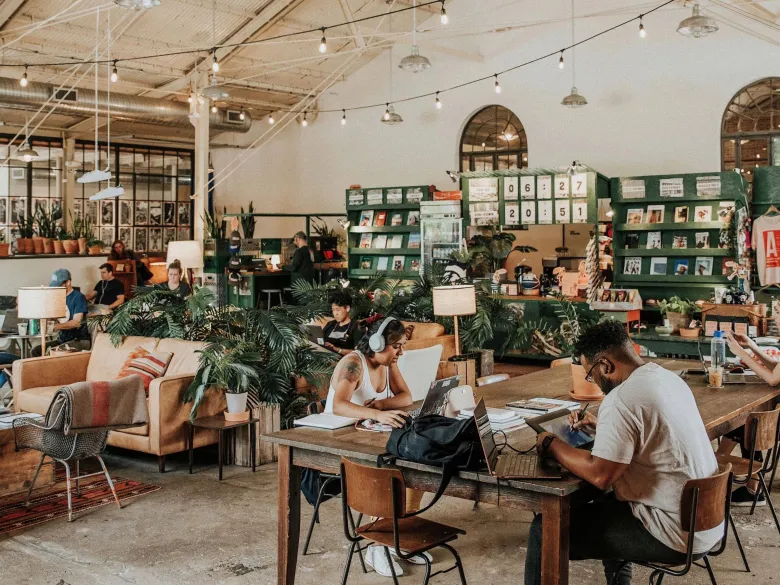
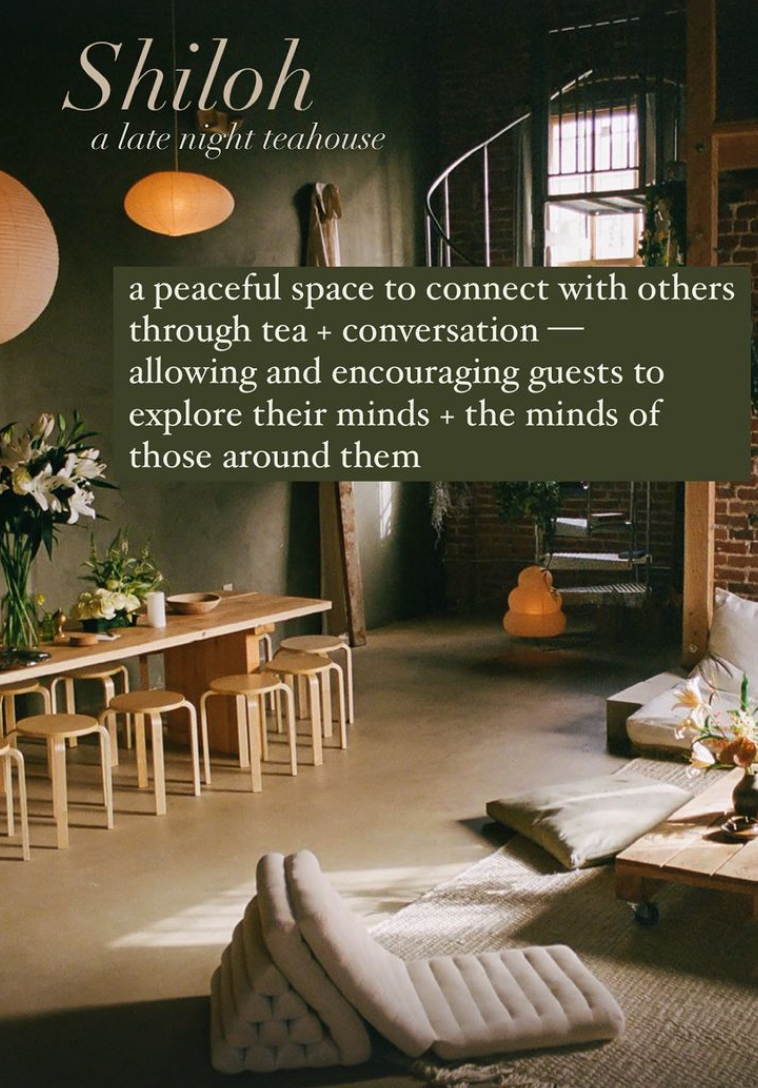
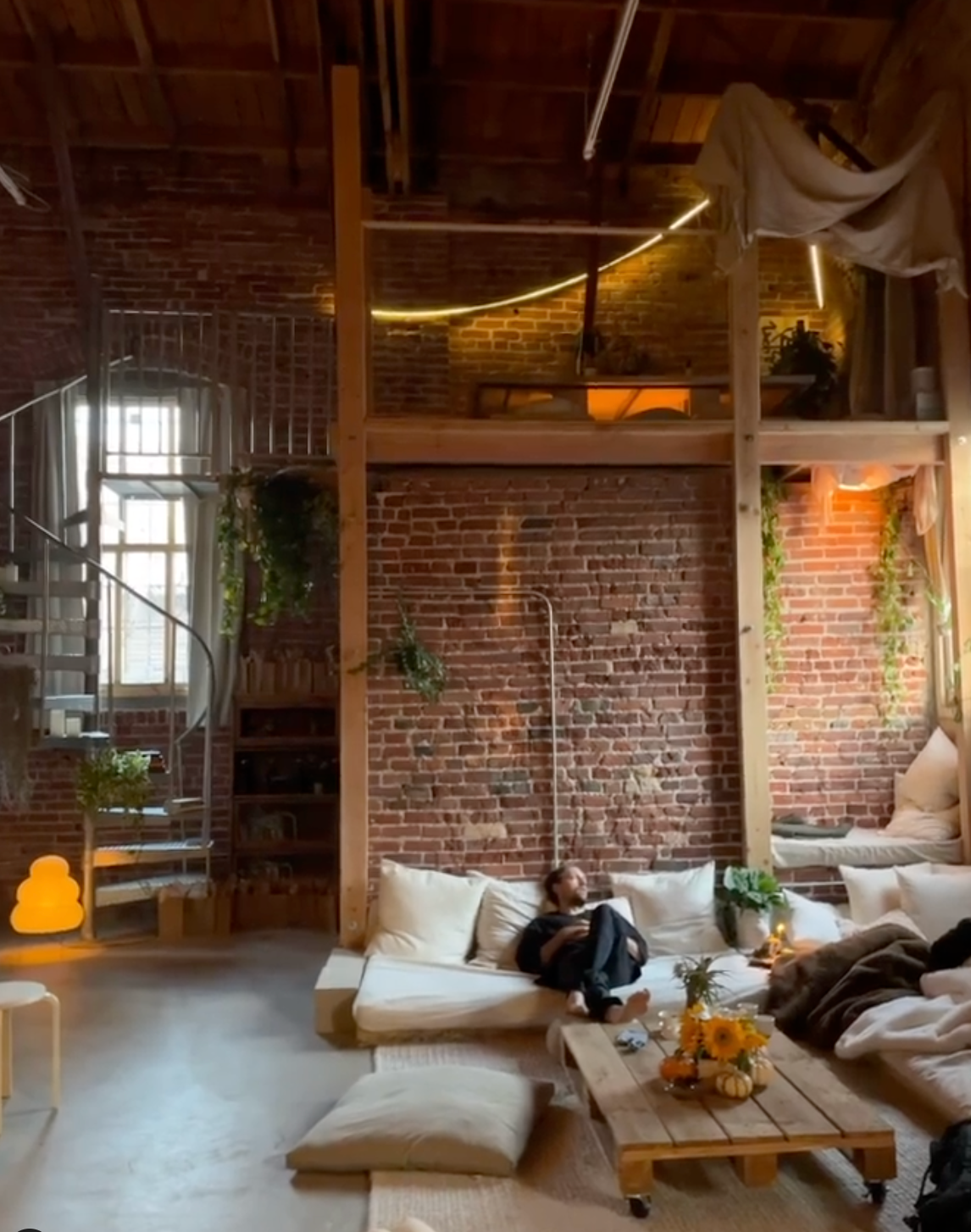
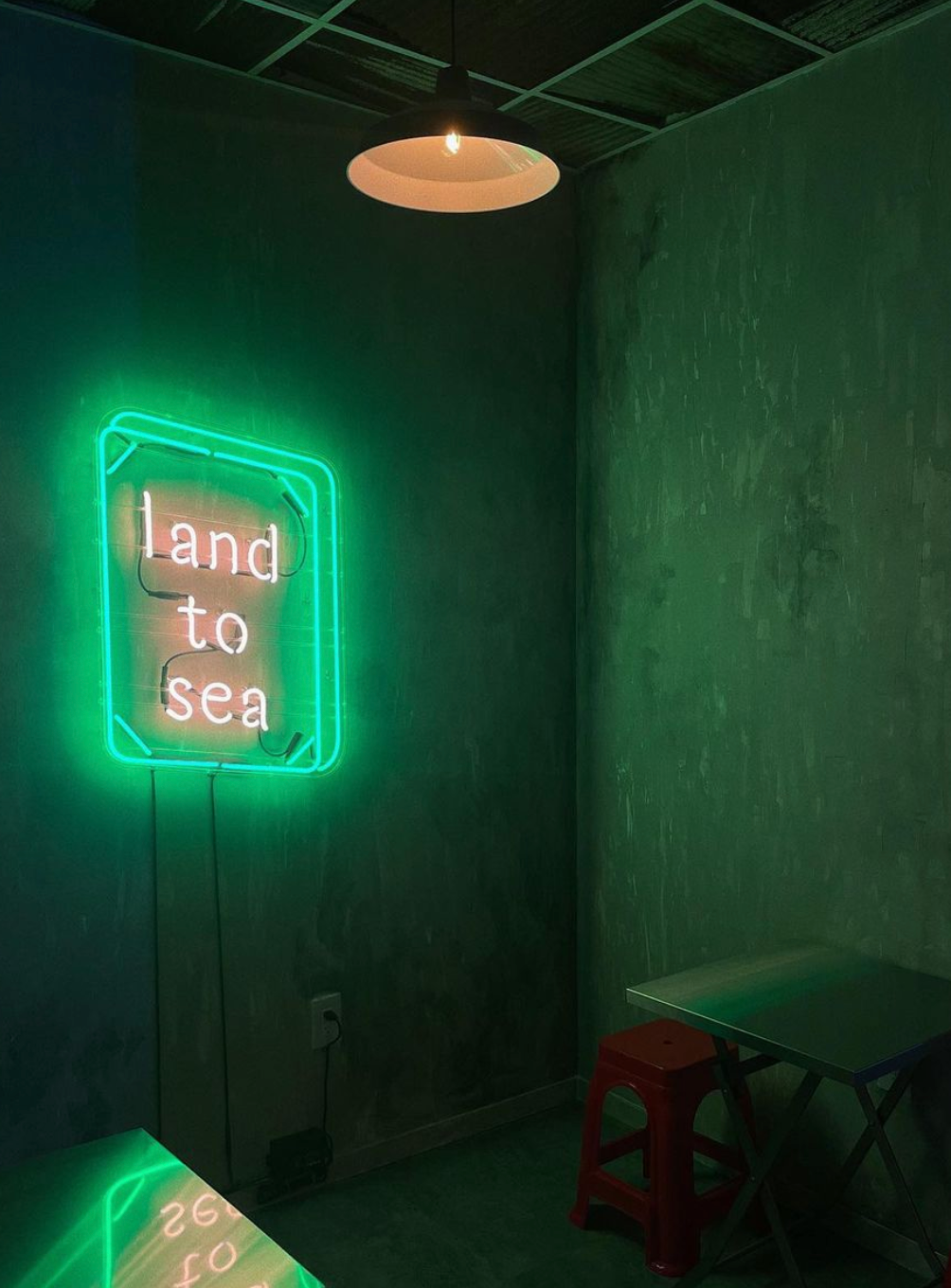
Shiloh - a late night teahouse in LA
ft. music, sound baths, meditation, yoga, coffee
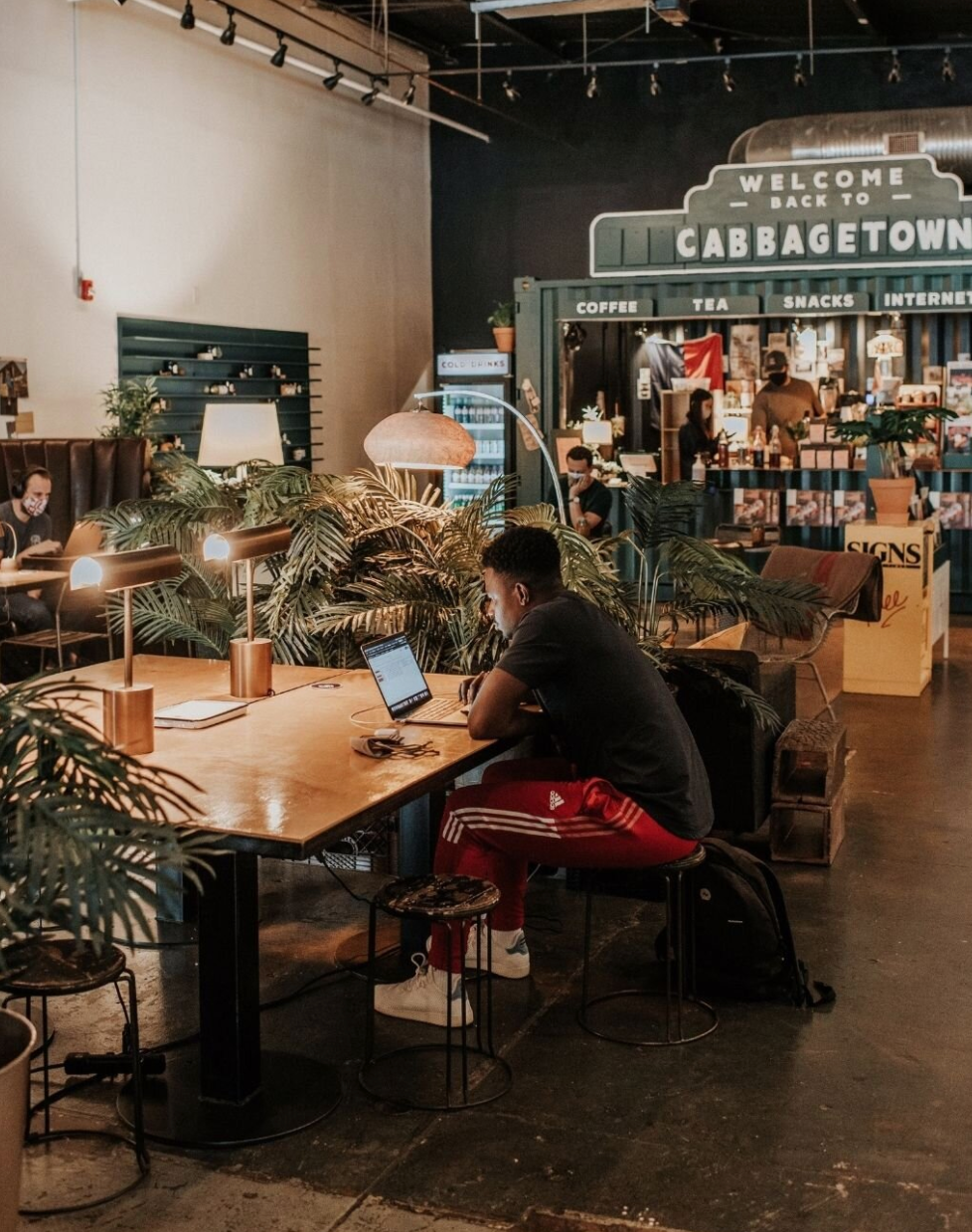
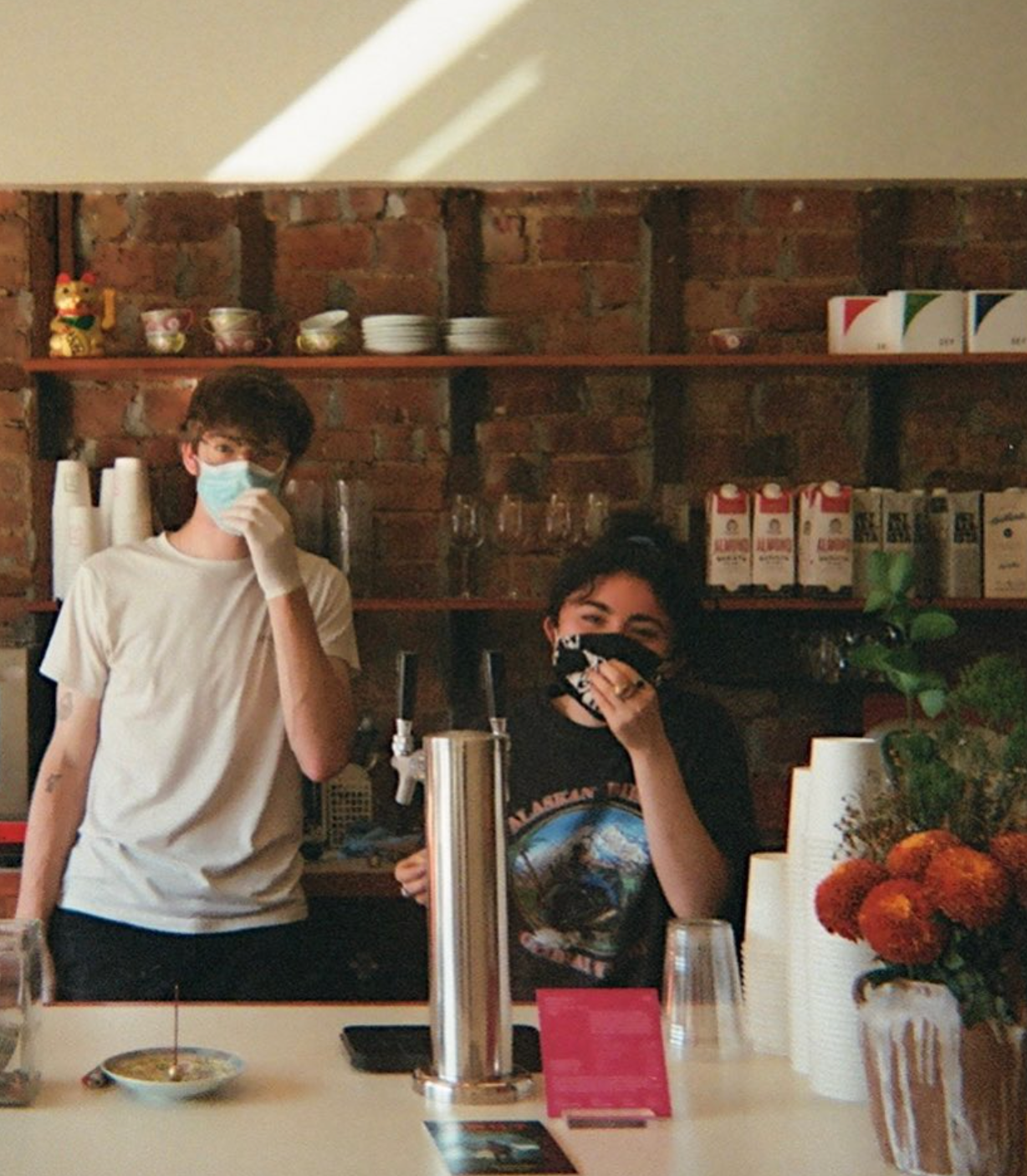
coffee shop + creative space that puts community and culture first.
ft. bakesales, poc art gallery, film screenings, coffee
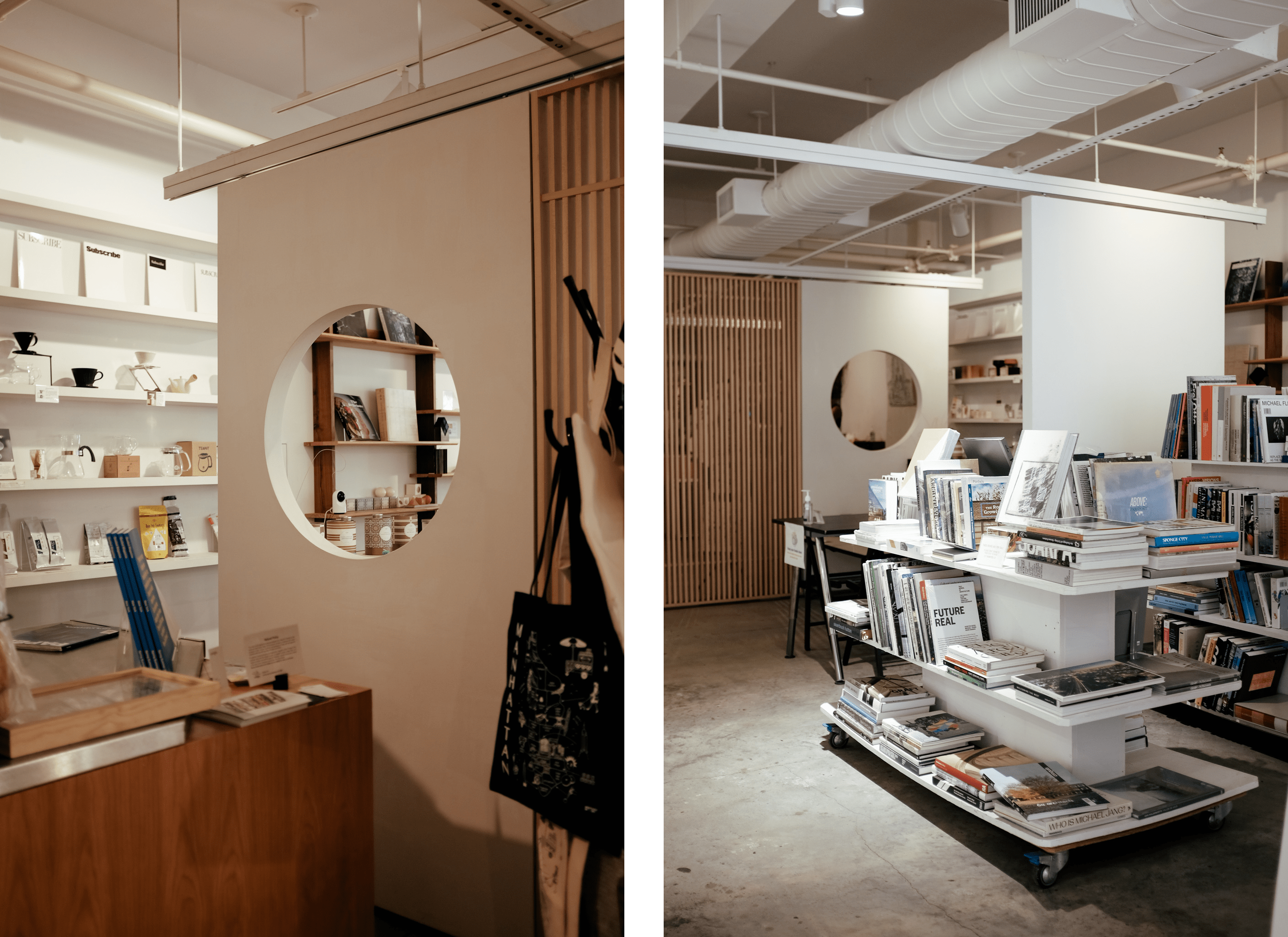
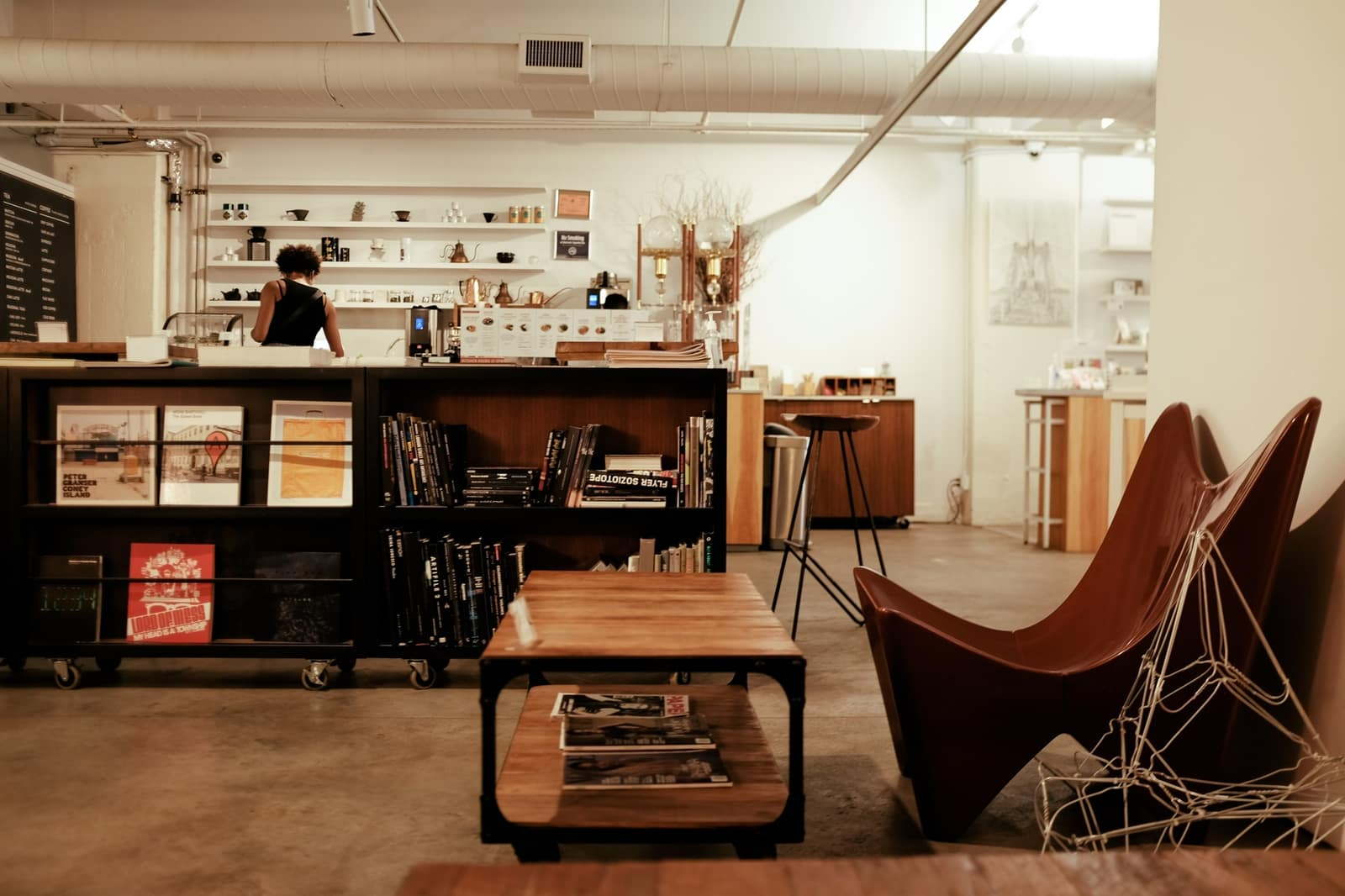
Usagi - ft. bookstore, cafe, art gallery, record store
⭐*** Feel free to add any other beautiful third space examples! ***
🌎 third spaces from around the world .
🛁 **Bathhouses & hot springs. **Some of the earliest descriptions of western bathing practices came from Greece. Bathing regimens formed there created the foundation for modern spa procedures.
In 300 AD, bathing became a major part in ancient Roman culture and society. It was one of the most common daily activities in Roman culture and was practiced across a wide variety of social classes. Courtship was conducted, as well as sealing business deals, as they built lavish baths on natural hot springs.
Over in Japan, the first mention of hot springs is referenced in the Nihon Shoki, which was written in the second half of the 1st century. Today, they serve as a fun and relaxing way for friends, colleagues, families, and couples to not only decompress from the busy city life, but also to strengthen social bonds.

🍻 **German-American Lager Beer Gardens. **When Germans came to America, they brought with them their beer gardens. They believed at the base of a viable community life, lay informal socializing.
One such emblem of the Beer Garden was the Atlantic Garden, one of New York’s most celebrated beer gardens. Inclusiveness was central to the coveted atmosphere of the lager beer garden. The mixing of nationalities, presence of women, co-mingling of the rich and poor, and frequent instances in which three generations had fun together at the same time and in the same place—these were the more striking signs of inclusiveness.
Those who came to meet and know one another in the happy informality of the beer gardens went on to form drama clubs, debating societies, singing groups, rifle clubs, home guards, volunteer fire departments, fraternities, and associations dedicated to social refinement. It was the basis of community.

🌇 Main Street. In many small cities in America, the heart of the community was always along a 6-7 block radius called Main Street. No resident had to walk more than 4 blocks to reach Main Street.
People often walked slowly and with open and expectant faces. Business establishments invited community members in without the need to extract their money. People stopped by the barbershop to swap stories, glance through the latest magazines, and enjoy the sweep of a large electric fan.
Cities across America up until 1940, had retained the ability to amuse and entertain one another without much need of commercialized diversions. As a direct result, the associational community and habits of cooperation were strong. However from 1973 onwards, U.S. News and World Report contended that the shopping mall began to replace Main Street as the core of community belonging in America.

📚☕️ **Bookstore-café’s in Asia. **The recent emergence of Bookstore-cafe’s indicate a change of lifestyle occurring in the contemporary big cities of Asia. Many studies have pointed out that the Chinese version of the bookstore-café is one of the most important recreational sites for the youth in China’s urban communities.
The bookstore-café, which is a modern concept, is a combination of two traditional places—a bookstore and a café shop. It is not merely a space for book lovers, but a venue for people to enjoy their books while sipping their favorite cup of coffee with or without their friends.

🕯 **The English Pub. **The proliferation of pubs, averaging 4 per square mile, means that for virtually every English man and woman, a pub exists close by. Because of their neighborhood proximity, pubs are also known as “locals.” Every pub-goer has his or her local and every pub is someone’s local.
As pubs are built to the human scale, they are intimate, even cozy settings, designed more for an immediate neighborhood than a horde of transients and sometime visitors. Its lack of formality and pretension dates from that of the kitchen in the early wayside inn, the first version of the English pub.
From its inception, the pub has catered its architecture to ones desired level of engagement. The Public Bar is made for organic mixing of conversations and people, while the Saloon bar affords a more intimate setting for a smaller group.

🏋️♂️ **Chinese Urban Parks or “Senior Playgrounds” **- Rather than solo runners or cyclists, the most common demographic in Chinese parks are large groups of elderly pensioners.
Early every morning crowds of elderly people flock to public parks for their daily exercise routine, including dancing, Qiqong or even light gymnastics. Many take advantage of exercise equipment like ellipticals and pulldown machines aimed at light cardio workouts and gentle strength training. In a recent survey, retirees went to the park for on average 26 days per month in China.
It is precisely because of the increasing size of the elderly population, the increase of leisure time, the decrease of urban transportation cost, and the reduction of park free costs, that enable Chinese parks to cater to the psychology of the elderly.

🇫🇷 **The French Cafe. **The antecedents of the French bistro or sidewalk café emerged about 500 years ago with the world’s first coffeehouses in Saudi Arabia. From Mecca, they may be traced to Constantinople and eventually to Vienna, where the coffeehouse was introduced with remarkable success.
Today, Paris has thousands of sidewalk cafés, or an incredible “1 café to about every 50 people.” They consist of an outdoor and one or two indoor areas, the most important being the terrasse, or the outdoor tables and chairs.
It is said that a french cafe consists of “2/3 atmosphere and 1/3 matter.”
The bistro provides an immediate political forum and is a favorite place for writing letters and books as well. The capacity of these environments to inspire author and artist has become legendary. For example, Café de Flore has a rich history of being a hub for famous writers and philosophers; Pablo Picasso, Chinese Premier Zhou Enlai, and Jean-Paul Sartre were once frequent patrons.

🍵 **The Asian Tea House. **In Asia, a teahouse is traditionally a place which offers tea to its customers. Tea houses first popped up during the Jin Dynasty (265-316 AD) and evolved to become a meeting place where local celebrations, business meetings, and friendly rendezvous were held daily. They became an instrumental fixture in the nucleus of provincial towns and cities throughout Chinese and Japanese history.
Today people continue to gather at teahouses to chat, socialize and enjoy tea. While old staples exist - like the Pujiang Tea Garden in Chengdu or Kantoku-tei Teahouse in Tokyo - modern renditions like HeyTea are evolving for younger audiences.

☕️ Classic Coffeehouses
They say that Coffee spurs the intellect; alcohol the emotions.
Vienna was the site of some of the first coffeehouses in Europe.
The Vienna coffeehouse is the place for them all, a meeting place for lovers, a club for people of common tastes or interests, an office for the occasional businessman, a resting place for the dreamer, and a home for many a lonely soul.
To this day it serves as the major social center for Viennese life. Like the French bistro, the Vienna café typically extends into the street. Whereas the former boasts a terrace, the latter offers a garden.
Inside, suited waiters create an atmosphere of personalized accommodation and exceptional service. Customers are often greeted by two, even three, waiters upon their appearance. After a few visits their names are known, as are their preferences in reading material and the way they take their coffee.
In 1650, a Jewish man remembered only as Jacob opened the first coffeehouse in Oxford. The democratic atmosphere of the coffeehouse, its equally democratic prices, and the pleasant contrast it offered to the drunkenness that plagued the inns and taverns of the 17th century brought it quick popularity.
During its reign, the coffeehouse was the center of business and cultural life as well as a political arena. Whether on a regular schedule or not, many Londoners dropped into the coffeehouse several times a day in order to keep abreast of the news.
